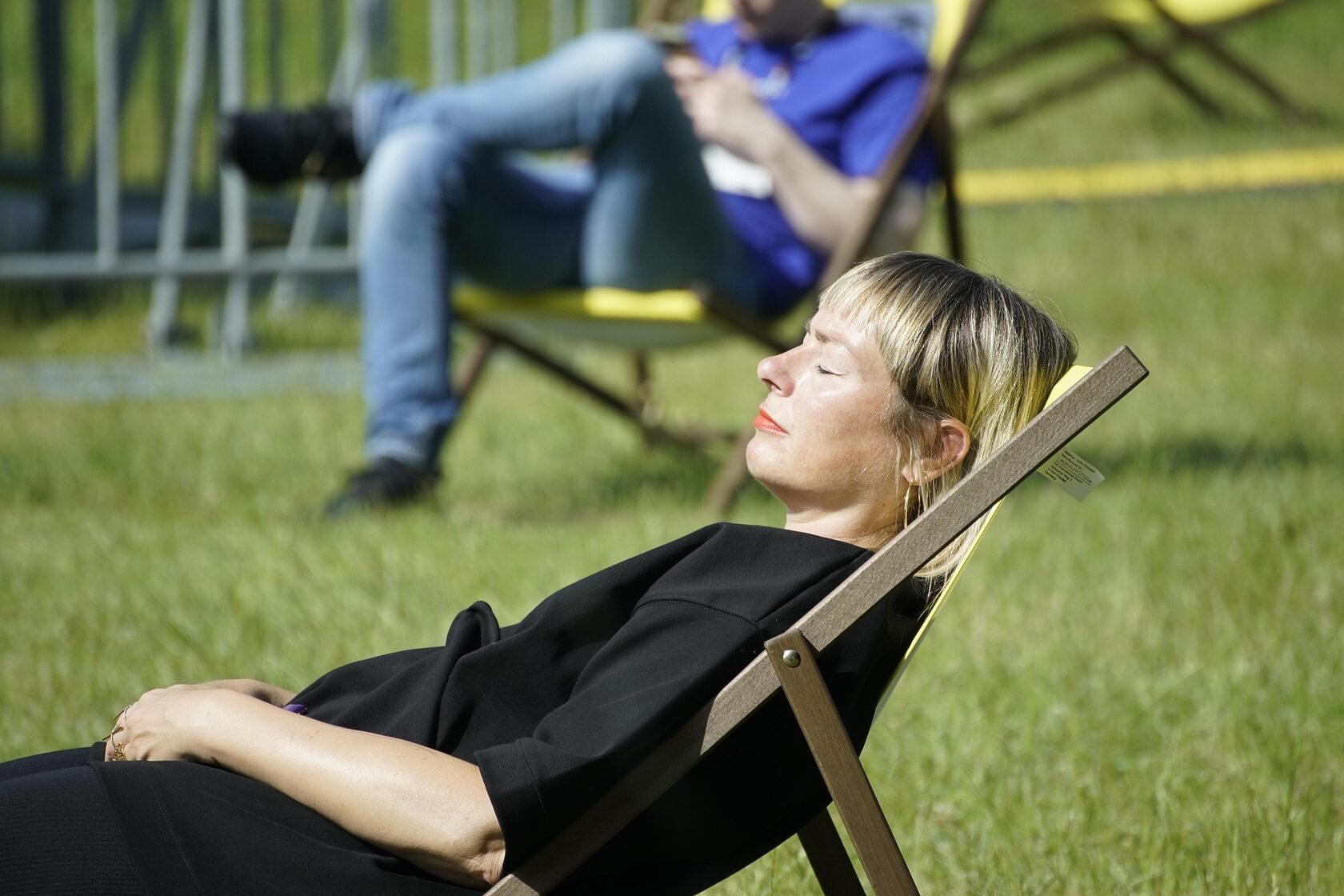
You took a break an hour ago. Ten minutes, maybe more. So why do you feel exactly as tired as before it?
Here is the uncomfortable answer: most of what we call breaks are not breaks. They are task switches. You stop writing the report and start scrolling a feed. You leave one meeting and skim messages until the next one. The work changes shape, but the demand on your brain barely drops. Then the afternoon arrives, focus thins out, and it feels like a willpower problem.
It usually is not. It is a recovery problem. And recovery, it turns out, is something you can get measurably better at, in surprisingly small units of time.
What micro-recovery actually means
Researchers use the term micro-breaks for pauses of roughly ten minutes or less taken during the workday, and the evidence base behind them has grown substantially. A systematic review and meta-analysis published in PLOS One, covering 22 studies, found that micro-breaks reliably increased vigor and reduced fatigue. The effects were statistically significant, though modest in size, which is worth being honest about: a two-minute pause will not undo a chronically overloaded week.
But the same analysis surfaced something more interesting. The benefits depended on what the break contained and how long it lasted. For recovering actual task performance, especially on cognitively demanding work, breaks often needed to be longer, around ten minutes or more. And breaks involving movement, nature, or genuine disengagement outperformed breaks that simply swapped one screen for another.
That last part is the core of micro-recovery: a break only counts if your nervous system registers it as one.
Why scrolling does not count
The most common break behavior, reaching for the phone, is also one of the least restorative. This is not a moral judgment about phones. It is about what the activity asks of your brain.
Scrolling keeps you in information-processing mode. Every swipe involves micro-decisions: read this, skip that, react, compare. The prefrontal cortex, the same system depleted by your work, stays engaged. Research comparing break activities has found that social media breaks fall short of fuller recovery, particularly on fatigue, compared with breaks involving nature or physical movement. Your attention never actually lands anywhere. It just changes feeds.
There is also an arousal problem. Feeds are engineered to be emotionally activating, and they have no natural stopping point. Instead of letting stress physiology settle, a scrolling break tends to hold the system in a gently activated state. You return to work having rested your job title, not your brain.
A useful test: after the break, do you feel more settled or more scattered? Your body usually knows before your schedule does.
What a felt break looks like
The breaks that work share a few ingredients, and none of them require an app or a meditation cushion.
A drop in input. The simplest form of recovery is reducing the stream of information for a few minutes. Looking out a window, walking to refill water, standing outside. Attention research suggests that low-demand, gently interesting environments, especially natural ones, let directed attention replenish in a way screens do not.
A change in body state. Movement is one of the most consistent findings in the micro-break literature. Two to five minutes of walking, stretching, or climbing stairs shifts circulation, posture, and arousal. A recent multicenter study of operating room nurses found that structured micro-break programs supported musculoskeletal comfort and psychological wellbeing over months, not just minutes.
A longer exhale. Slow breathing is the fastest lever most people have for shifting the stress response. A minute of breathing where the exhale is longer than the inhale can nudge the nervous system toward its recovery mode. It is not magic. It is a signal, and signals repeated across a day add up.
An actual boundary. A break with a defined start and end feels different from ambient procrastination. Sixty seconds of doing genuinely nothing can restore more than ten minutes of half-working, half-browsing.
The dose question
How often? The research does not hand us one perfect number, but the pattern is consistent: small and frequent beats rare and long, for subjective energy at least. Fatigue is easier to interrupt early than to reverse late.
A practical starting protocol, and it is deliberately minimal: take one two-to-three minute felt break every 60 to 90 minutes of focused work. Stand up, move, look at something farther than two meters away, and let your breathing slow. No phone. Then, once a day, take one longer break of ten minutes or more, ideally with daylight or movement, because that is the dose at which performance recovery becomes more likely.
That is the whole system. Roughly fifteen intentional minutes across a workday. The barrier is not time. It is the belief that pausing costs productivity, when the evidence points the other way: attention is a resource that depletes with continuous use, and brief recovery is how it comes back.
Why this is a skill, not a hack
If breaks were only about scheduling, calendar reminders would have solved this years ago. The harder part is noticing. Most of us have learned to override fatigue signals for hours at a time, which is useful in a crisis and corrosive as a lifestyle.
Micro-recovery is really interoception practice: rebuilding the ability to notice that your shoulders are up, your breath is shallow, and your last four decisions took twice the effort they should have. People who recover well during the day are not more disciplined. They have shorter reaction times to their own state.
That noticing improves with use. Each felt break is a repetition. Over weeks, the gap between "I am depleted" and "I realize I am depleted" shrinks, and that gap is where a lot of burnout quietly grows.
Start with an honest reading
Before adding any protocol, it helps to know your baseline. How is your energy actually behaving across the day? Where does it dip, and what do you currently do in that dip?
We built a free self-assessment for exactly this. It takes a few minutes and gives you a snapshot of where your foundations, rest included, are supporting you and where they are leaking. Start with the free self-assessment at https://osapiens.expert/how-i-feel and let the data, not the willpower narrative, tell you what to work on first.
Your brain does not need more pushing through. It needs breaks it can feel.
O!Sapiens is an educational system, not medical care. Micro-breaks may support energy and focus; they are not a treatment for any condition. If fatigue is persistent or severe, a conversation with a qualified professional is a good next step.
Here is the uncomfortable answer: most of what we call breaks are not breaks. They are task switches. You stop writing the report and start scrolling a feed. You leave one meeting and skim messages until the next one. The work changes shape, but the demand on your brain barely drops. Then the afternoon arrives, focus thins out, and it feels like a willpower problem.
It usually is not. It is a recovery problem. And recovery, it turns out, is something you can get measurably better at, in surprisingly small units of time.
What micro-recovery actually means
Researchers use the term micro-breaks for pauses of roughly ten minutes or less taken during the workday, and the evidence base behind them has grown substantially. A systematic review and meta-analysis published in PLOS One, covering 22 studies, found that micro-breaks reliably increased vigor and reduced fatigue. The effects were statistically significant, though modest in size, which is worth being honest about: a two-minute pause will not undo a chronically overloaded week.
But the same analysis surfaced something more interesting. The benefits depended on what the break contained and how long it lasted. For recovering actual task performance, especially on cognitively demanding work, breaks often needed to be longer, around ten minutes or more. And breaks involving movement, nature, or genuine disengagement outperformed breaks that simply swapped one screen for another.
That last part is the core of micro-recovery: a break only counts if your nervous system registers it as one.
Why scrolling does not count
The most common break behavior, reaching for the phone, is also one of the least restorative. This is not a moral judgment about phones. It is about what the activity asks of your brain.
Scrolling keeps you in information-processing mode. Every swipe involves micro-decisions: read this, skip that, react, compare. The prefrontal cortex, the same system depleted by your work, stays engaged. Research comparing break activities has found that social media breaks fall short of fuller recovery, particularly on fatigue, compared with breaks involving nature or physical movement. Your attention never actually lands anywhere. It just changes feeds.
There is also an arousal problem. Feeds are engineered to be emotionally activating, and they have no natural stopping point. Instead of letting stress physiology settle, a scrolling break tends to hold the system in a gently activated state. You return to work having rested your job title, not your brain.
A useful test: after the break, do you feel more settled or more scattered? Your body usually knows before your schedule does.
What a felt break looks like
The breaks that work share a few ingredients, and none of them require an app or a meditation cushion.
A drop in input. The simplest form of recovery is reducing the stream of information for a few minutes. Looking out a window, walking to refill water, standing outside. Attention research suggests that low-demand, gently interesting environments, especially natural ones, let directed attention replenish in a way screens do not.
A change in body state. Movement is one of the most consistent findings in the micro-break literature. Two to five minutes of walking, stretching, or climbing stairs shifts circulation, posture, and arousal. A recent multicenter study of operating room nurses found that structured micro-break programs supported musculoskeletal comfort and psychological wellbeing over months, not just minutes.
A longer exhale. Slow breathing is the fastest lever most people have for shifting the stress response. A minute of breathing where the exhale is longer than the inhale can nudge the nervous system toward its recovery mode. It is not magic. It is a signal, and signals repeated across a day add up.
An actual boundary. A break with a defined start and end feels different from ambient procrastination. Sixty seconds of doing genuinely nothing can restore more than ten minutes of half-working, half-browsing.
The dose question
How often? The research does not hand us one perfect number, but the pattern is consistent: small and frequent beats rare and long, for subjective energy at least. Fatigue is easier to interrupt early than to reverse late.
A practical starting protocol, and it is deliberately minimal: take one two-to-three minute felt break every 60 to 90 minutes of focused work. Stand up, move, look at something farther than two meters away, and let your breathing slow. No phone. Then, once a day, take one longer break of ten minutes or more, ideally with daylight or movement, because that is the dose at which performance recovery becomes more likely.
That is the whole system. Roughly fifteen intentional minutes across a workday. The barrier is not time. It is the belief that pausing costs productivity, when the evidence points the other way: attention is a resource that depletes with continuous use, and brief recovery is how it comes back.
Why this is a skill, not a hack
If breaks were only about scheduling, calendar reminders would have solved this years ago. The harder part is noticing. Most of us have learned to override fatigue signals for hours at a time, which is useful in a crisis and corrosive as a lifestyle.
Micro-recovery is really interoception practice: rebuilding the ability to notice that your shoulders are up, your breath is shallow, and your last four decisions took twice the effort they should have. People who recover well during the day are not more disciplined. They have shorter reaction times to their own state.
That noticing improves with use. Each felt break is a repetition. Over weeks, the gap between "I am depleted" and "I realize I am depleted" shrinks, and that gap is where a lot of burnout quietly grows.
Start with an honest reading
Before adding any protocol, it helps to know your baseline. How is your energy actually behaving across the day? Where does it dip, and what do you currently do in that dip?
We built a free self-assessment for exactly this. It takes a few minutes and gives you a snapshot of where your foundations, rest included, are supporting you and where they are leaking. Start with the free self-assessment at https://osapiens.expert/how-i-feel and let the data, not the willpower narrative, tell you what to work on first.
Your brain does not need more pushing through. It needs breaks it can feel.
O!Sapiens is an educational system, not medical care. Micro-breaks may support energy and focus; they are not a treatment for any condition. If fatigue is persistent or severe, a conversation with a qualified professional is a good next step.