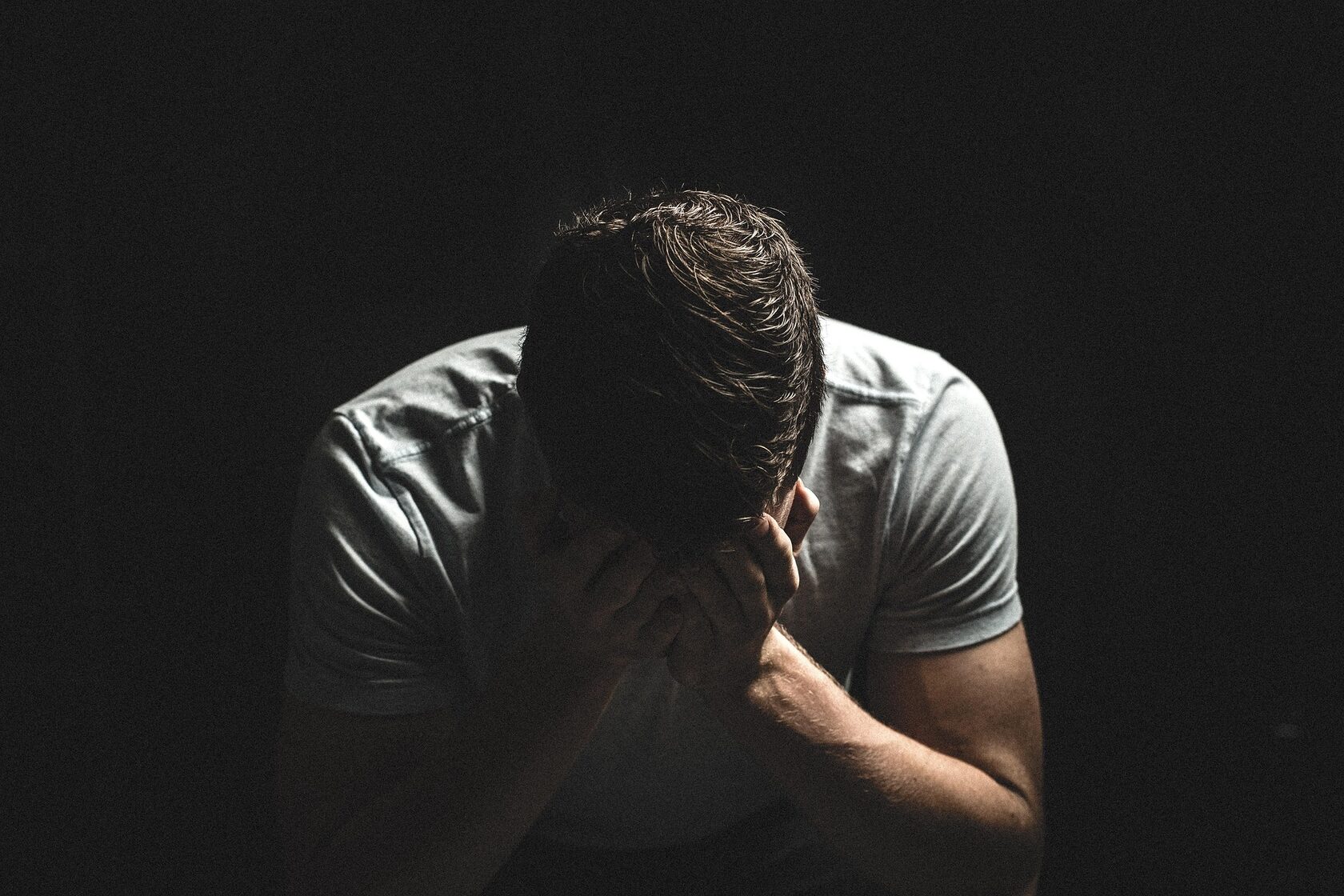
You can still run the day. The calls happen, the decisions get made, the team gets what it needs. But it costs more than it used to, and a version of you that you do not love keeps showing up in the last two meetings: shorter, more reactive, quicker to read threat into a neutral message. You are surrounded by people from 8am to 7pm and somehow none of it is contact. Every exchange is transactional. You have optimized your calendar down to pure throughput, stripped out the unstructured conversations that felt like a luxury, and quietly assumed that was the disciplined move.
It was not free. You moved a load off the schedule and onto your nervous system.
Social connection is not a soft benefit. It is a physiological input your nervous system uses to regulate stress, and when you cut it, your system loses one of its baseline stabilizers and starts carrying the difference as hidden biological debt.
This is not a piece about being lonely. It is about what happens to an operator's judgment when the regulating inputs get removed one optimization at a time.
Why does isolation change how you make decisions?
The felt experience is real and it is measurable. Loneliness and social isolation activate the same stress axis as any other chronic threat. The HPA axis keeps corticotropin-releasing hormone and cortisol elevated, and over time the diurnal cortisol curve flattens, so the hormone stays high into the evening instead of standing down. That is the same allostatic-load pattern behind burnout: the system reads sustained disconnection as a low-grade emergency and never fully resets its baseline.
Downstream of that, two things degrade the exact outputs you are paid for. First, the sympathetic branch of the autonomic nervous system stays activated, which pushes up inflammatory signaling. Loneliness is associated with higher IL-6 and a shift in gene expression toward pro-inflammatory activity and away from antiviral defense, the pattern researchers call the conserved transcriptional response to adversity. Second, prolonged stress signaling degrades prefrontal function, the deliberate, forward-looking judgment machinery, while it sharpens the reactive, threat-scanning circuits. That is the neural version of what you are noticing: slower reasoning, faster reactivity, more threat read into ordinary email.
There is a decision-specific finding that should get an operator's attention. In population studies, higher loneliness is linked to worse calibration of confidence to uncertainty in social decisions, and to reading more rejection risk into neutral situations. It tilts your read on people toward threat and miscalibrates your confidence, which is a direct tax on the calls you make about hires, partners, and negotiations.
How big is the effect, really?
Big enough that public health stopped treating it as a mood issue. In June 2025 the WHO Commission on Social Connection reported that loneliness is linked to roughly 871,000 deaths a year worldwide, about 100 an hour, with effects on cardiovascular disease, type 2 diabetes, cognitive decline, and depression that are comparable to and in some cases exceed the risks of smoking and obesity. One in six people globally are affected. The Commission argued social connection should be treated as a third pillar of health alongside physical and mental health.
The individual-risk numbers are just as blunt. A widely cited meta-analysis put the increase in mortality risk at roughly 26 percent for loneliness, 29 percent for social isolation, and 32 percent for living alone. That is one of the better-evidenced ceilings on healthspan there is.
What can you actually measure?
You do not need to feel anything to see this. The signal shows up in the same place your other load shows up: overnight recovery. Sustained sympathetic activation and elevated evening cortisol tend to raise resting heart rate and suppress nocturnal HRV. The actionable pattern is a drop of roughly 20 to 30 percent below your personal HRV baseline sustained across three to four days alongside an elevated resting heart rate, not a single low morning, which is noise. Composite readiness and recovery scores are the least trustworthy layer here, because their weighting is undisclosed and two devices disagree by 20-plus points on the same night. Read the raw resting heart rate and HRV trend, not the score.
The more useful metric is subjective and you already have it. Rate your first-working-hour clarity and your reactivity, one to ten, over two weeks, and note which days had real unstructured contact and which were pure transactional throughput. The pattern is usually visible inside a fortnight.
Isn't this just an introvert-versus-extrovert thing?
No, and this is the interpretation gap that lets high performers dismiss it. The physiology is not about how social you feel you are. It is about whether your nervous system is getting the regulating input, and connection regulates through co-regulation, calm contact with people who are not a threat lowers arousal in a way solitude does not replicate. An introvert needs less of it than an extrovert, but not zero, and the operator failure mode is treating any amount as optional.
The second half of the gap: this is not the same as needing more people in the room. You can be in back-to-back meetings all day, which is high social-cognitive load, and still be getting zero regulating connection, because performance contact and regulating contact are different inputs. The fix is not more meetings. It is a small amount of the right kind of contact, which is why it does not compete with your calendar the way you assume.
What is the minimum effective dose?
Treat connection as performance infrastructure, not a social life you will get to later. The point is a nervous-system-first input measured in minutes, not a program.
First, protect two or three low-stakes, non-transactional conversations a week. Not a meeting, not a networking event, not a call with an agenda. Fifteen minutes with someone where you are not performing and nothing is being decided. This is the co-regulation dose, and it is doing the physiological work.
Second, keep one peer relationship where you can say the true version out loud. Isolation at the top is partly structural: the higher you go, the fewer people you can be unguarded with. One person who is not your report, your investor, or your spouse is a disproportionate lever, because unguarded contact is where the stress axis actually stands down.
Third, anchor it to something you already do so it survives a hard week: a standing walk with one person, a weekly call you do not reschedule, a meal that is not a working meal. The failure mode is always the same, cutting the unstructured contact first when the pressure rises, which is exactly when the regulating input matters most.
Map where your system is carrying load
If you recognized yourself in the first paragraph, the useful next step is not to resolve to be more social. It is to see where your system is actually carrying unmeasured load, connection being one input among several, so you know which lever moves your numbers. O!Sapiens has a free self-assessment that maps that across the domains your performance runs on. It takes a few minutes and it is a baseline, not a verdict: map where your system is carrying load at https://osapiens.expert/capacity
One boundary worth stating plainly. Persistent low mood, loss of interest, or unexplained fatigue that does not lift is not something to manage with a weekly walk, and loneliness is associated with clinical depression in the evidence base. If that is where you are, treat this as an adjunct at most and speak with a physician or a licensed professional. This is a sensitive area, and if any of it is landing close to home, that conversation is the right move, not a self-optimization protocol.
This is education, not medical advice. O!Sapiens does not diagnose, treat, or provide therapy. Vlad Andreev is a mental health educator and executive coach, founder of O!Sapiens, not a licensed clinician. Persistent symptoms, including possible depression, sleep apnea, or unexplained fatigue, should be discussed with a qualified physician or professional.