Vlad Andreev, mental health educator and executive coach, founder of O!Sapiens. Education, not medical advice.
You get into bed on time, and your body does not follow the instruction. The lights are off, the day is technically over, but the system stays switched on, running the next morning's decisions on a loop. You are tired, and you are also wired, and the two states refuse to resolve into sleep. Somewhere on a podcast you heard that magnesium fixes this, so there is now a jar of it on the nightstand. Whether it is doing anything is a fair question, and the honest answer is more useful than the marketing.
Magnesium is not a sedative; it is a cofactor your nervous system needs to power down, which means supplementing it helps most when a real dietary deficit is the thing keeping your system switched on, and does little when it is not.
The deficit part is not rare. NHANES data puts close to half of US adults below the estimated average requirement for magnesium, against a recommended intake of roughly 420 mg a day for men and 320 mg for women. This is one of the more common shortfalls in a developed-world diet, and the people running long high-pressure days are not exempt. The magnesium supplement market, worth around 4.7 billion dollars in 2025 and forecast to roughly double by 2034, is partly a response to a genuine gap and partly a response to hype. The trick is telling which part you are buying.
What is magnesium actually doing in there?
Magnesium is a required cofactor in hundreds of enzymatic reactions, including the ones that make usable energy. The ATP your cells run on is biologically active in its magnesium-bound form, so this is not a peripheral nutrient. In the nervous system specifically, magnesium sits on the calming side of the ledger. It dampens the NMDA receptors that carry excitatory glutamate signaling, and it supports the GABA system that helps the brain slow down. Low magnesium leaves the excitatory side under-braked. The result feels exactly like the wired-but-tired state: a nervous system that cannot find the off switch.
There is also a stress loop worth naming. Chronic stress raises the rate at which the body sheds magnesium in urine, and low magnesium in turn heightens stress reactivity and the HPA-axis output that keeps cortisol elevated. So the exact conditions of a demanding executive life both burn through magnesium faster and become harder to tolerate when the level runs low. This is a small example of hidden biological debt: the load quietly depletes the resource that would help you handle the load.
What can you actually measure?
Here magnesium is trickier than a nutrient like omega-3, and the difference matters. The standard blood test, serum magnesium, is a poor read on your true status. Only about one percent of the body's magnesium lives in the blood, tightly defended, so serum can sit in the normal range while tissue stores are low. A normal result does not clear you. This is one reason the clean-number approach that works for some markers does not work here.
So the honest metric is behavioral and physiological, read over time. Track your own sleep-onset latency and subjective sleep quality across a couple of weeks, and if you wear a device, watch overnight resting heart rate and heart rate variability as a trend, not a single night. In a 2026 randomized controlled trial of magnesium L-threonate, the supplement did not shift objective sleep-tracking metrics much, but it did lower heart rate and raise heart rate variability, a measurable sign of a calmer autonomic state. That autonomic shift is the kind of signal worth watching on your own baseline. As always, the composite recovery or readiness score your app hands you is the least trustworthy layer.
What does the evidence actually support, and what does it not?
The research is real but modest, and the honest version reads like a set of boundaries. A 2021 systematic review and meta-analysis found magnesium supplementation shortened the time to fall asleep by around 17 minutes versus placebo, while rating the overall quality of that evidence as low to very low. A 2026 trial of magnesium bisglycinate at 250 mg of elemental magnesium found modest but statistically significant improvement in insomnia severity in adults reporting poor sleep. The threonate trials point the same way: better subjective sleep and daytime functioning, clearer effects on how people rated their nights than on the objective architecture of those nights.
Read across all of it, two things stand out. First, the effect sizes are moderate, which is what you would expect from correcting a deficit rather than dosing a drug. Second, the benefit clusters in people who started low or slept badly. If you are already replete and sleeping well, adding magnesium does close to nothing, and the trials that hand it to everyone regardless of status show exactly that muted average. Magnesium is a correction, not an upgrade. It is not a sleeping pill, and a product that promises to knock you out is either overselling magnesium or hiding a sedative in the formula.
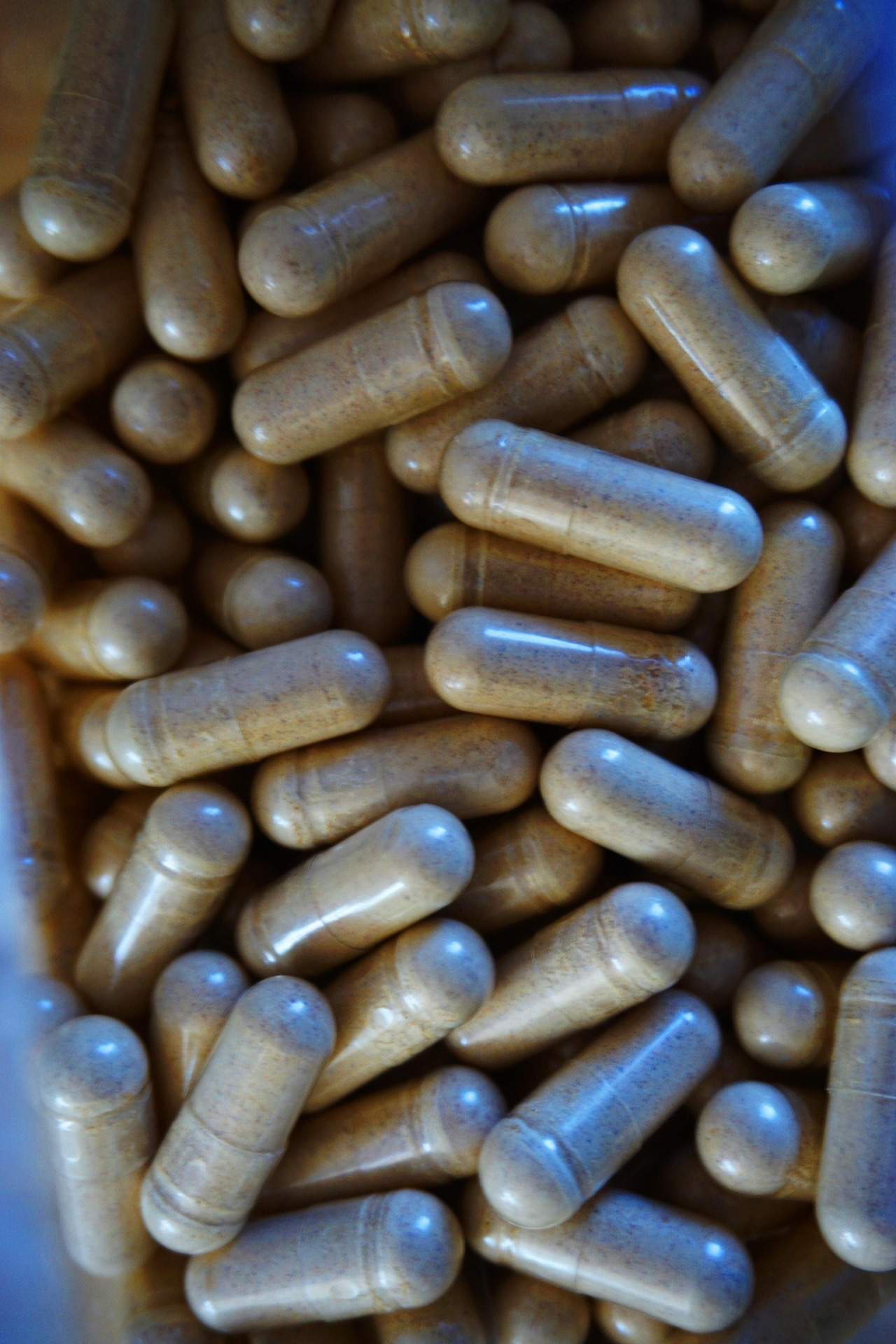
The form question is where most of the money gets wasted. Glycinate (bisglycinate) is the sensible default for sleep and stress because it is well absorbed and gentle on the gut. Threonate is marketed on brain penetration and priced accordingly; the cognition data is interesting, but for the plain goal of sleeping better it is a premium you probably do not need. Citrate works but tends to loosen the bowels, and oxide, the cheapest and most common form on a drugstore shelf, is poorly absorbed. The label difference is not a rounding error, it is most of the effect.
What is the minimum that actually moves it?
First, close the dietary gap before you reach for a jar. Leafy greens, pumpkin and other seeds, nuts, legumes, whole grains, and dark chocolate are dense sources, and for many people a few deliberate additions cover most of the shortfall. This is a grocery decision, not a supplement regimen, and it is the cheapest version of the fix.
Second, if you supplement, keep it simple: magnesium glycinate in the range of roughly 200 to 350 mg of elemental magnesium in the evening, read off the elemental content on the label rather than the total compound weight. Reserve threonate for the case where cognition, not sleep, is the specific target and you have decided the premium is worth it.
Third, give it three to four weeks and judge by your own trend, not the first night. Run one change at a time so you can actually attribute the result, and watch sleep onset, subjective quality, and your HRV trend rather than chasing a single reading. If nothing moves after a fair trial, magnesium was not your limiting factor, which is itself useful information that points you elsewhere.
Map where your system is carrying load
Magnesium is one input among ten that decide whether your recovery holds or quietly erodes, and it only matters if it is actually the input you are short on. If the wired-but-tired nights, the harder mornings, and the sense that switching off has become work are showing up together, the highest-return first move is not another jar on the nightstand but a clear read of where your system is carrying load. The free O!Sapiens self-assessment at https://osapiens.expert/capacity maps that across the full picture, so you spend effort where the real deficit is instead of supplementing on a guess.
One boundary worth stating plainly. If you cannot sleep despite genuinely good habits, if low mood or unexplained fatigue will not lift, or if a partner reports that you snore or gasp in your sleep, that is not a magnesium question and no supplement will answer it. Those point toward things like insomnia disorder, depression, or sleep apnea that need a professional. And if you have kidney disease or a heart-rhythm condition, or take prescription medication, clear any new magnesium dose with your physician first, because impaired clearance can let magnesium build to genuinely dangerous levels.
This is education, not medical advice. O!Sapiens provides coaching and educational content, not diagnosis or treatment. Nothing here is a substitute for care from a qualified professional. Supplement decisions, especially with kidney or heart conditions, should be made with your physician.