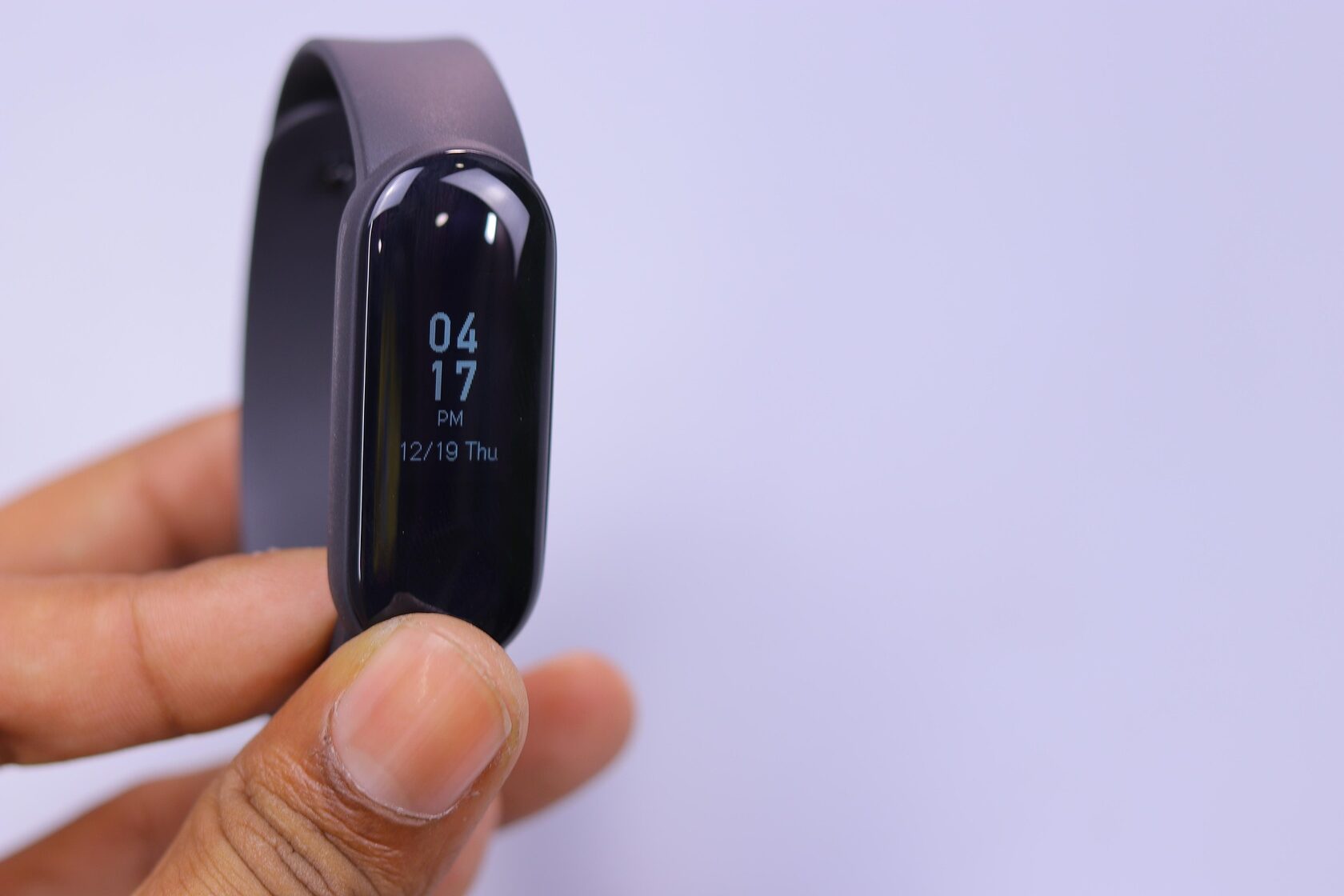
You wake up, reach for your phone, and the ring or the strap tells you that you are 88% recovered. Green. Cleared for a heavy day. Then you sit down for the first call and your head feels like it is running on a two-second delay. By eleven you have re-read the same paragraph three times. The device says the system is fine. You know it is not.
That gap has a name worth understanding, because most people resolve it the wrong way. They either stop trusting the device entirely, or they override their own experience and push into a day their nervous system was not prepared to carry.
A recovery score is not a measurement of how well you will think today. It is an algorithmic estimate of how much parasympathetic activity your body produced overnight, and those are two different things.
What is the recovery score actually measuring?
Almost every readiness or recovery number is built on the same core input: heart rate variability, usually RMSSD, captured during your deepest and most stable sleep. Higher variability generally reflects stronger parasympathetic influence, meaning the recovery branch of the autonomic nervous system had room to operate. Depressed values point the other way, toward sustained sympathetic load.
That is a real physiological signal. It is also a narrow one. It describes the state of one control system during one window of the night. It does not describe glucose stability, inflammation, cumulative cognitive load, the argument you had on Thursday, or the fact that you have been carrying an unresolved decision for three weeks.
The number is measuring your autonomic tone. You are experiencing your operating bandwidth. They correlate, but loosely, and the correlation breaks down exactly when you are under the kind of chronic, low-grade load that executive work produces.
Why do two devices give me two different answers?
Because the score is not a measurement, it is a proprietary composite. Readiness and recovery scores blend several signals using weightings that no manufacturer discloses, and the same night can produce scores more than twenty points apart on two different devices, with both being internally consistent by their own logic.
Underlying sensor accuracy is a separate question from score accuracy, and it is actually decent. Validation against ECG has put Oura Gen 4 HRV concordance at 0.99 and WHOOP at 0.94, with Garmin and Polar lower at 0.87 and 0.82. So the raw heartbeat interval data is largely trustworthy. The interpretive layer on top of it is where the confidence outruns the evidence.
This matters strategically. Your real competitor here is not the device. It is your own confusion about what the number licenses you to do.
How much day-to-day swing is normal?
More than most people assume. HRV fluctuates constantly in response to alcohol, late meals, dehydration, hard training, illness onset, sleep timing shifts, and psychological load. A single low morning is close to meaningless. The signal worth acting on is a sustained deviation: roughly a 30% drop below your own established baseline held for three to four consecutive days.
There is also a calibration problem that nobody mentions at purchase. It takes about two weeks of continuous wear before a device has enough of your personal baseline for daily scores to be interpretable at all. Judging your recovery capacity from week one is reading noise.
So which one do I trust, the number or the feeling?
Neither on its own. Use them as two instruments on the same panel.
When the score is low and you feel bad, that is a clean signal. Reduce load, protect the calendar, do the easy work.
When the score is high and you feel bad, which is the case you are here for, the most likely explanation is that autonomic recovery happened but something outside the autonomic system is carrying the load. Cognitive debt from unresolved decisions. Blood-sugar instability. Early illness. Sleep that was long but architecturally poor, meaning you spent the hours in bed without the deep and REM proportions that consolidate anything. This is what hidden biological debt looks like on a dashboard: the metric that is being tracked clears, and the thing that is actually eroding does not appear on the panel at all.
When the score is low and you feel fine, be careful. That is often the first visible edge of physiological erosion, and it tends to show up in the data days before it shows up in your experience.
One boundary that matters more than any of the above. If you consistently feel unrefreshed despite adequate sleep duration, if you snore heavily or have been told you stop breathing at night, if fatigue is unexplained and persistent, or if low mood and loss of interest have been present for more than two weeks, that is not a wearable question. Possible sleep apnoea, depression, thyroid dysfunction, anaemia, and other conditions cannot be ruled out by a green readiness score, and a good score does not exclude them. Take that to a physician. Bring the data as context, not as a conclusion.
The system: a five-minute weekly read
The point of this is not more tracking. It is less tracking, done better. Nervous-system-first means you interpret before you act.
Once a week, ten minutes. Look at the trailing seven days as a line, not as seven verdicts. You are asking one question: is my baseline drifting down? Direction is the signal. Individual days are weather.
Daily, thirty seconds. Log one subjective marker before you look at the score. A single number, one to ten, for mental sharpness. Order matters, because seeing the score first contaminates the rating. Over a few weeks you will see where your own experience and the device diverge, and that divergence pattern is more useful than either input alone.
When they disagree, two minutes. Run the checklist rather than the argument. Alcohol, late food, travel, hard training, unusual cognitive load, poor sleep timing, anything infectious going around. One of these usually explains it.
Act on the trend, not the day. Three or more consecutive days of divergence between how you feel and what the score says is worth a schedule change. One day is worth a note.
That is the whole protocol. Roughly fifteen minutes a week, and it converts a device you were starting to ignore into part of your performance infrastructure rather than another source of noise.
Where to start
If you want a clearer picture than any single metric gives you, the free self-assessment at osapiens.expert/how-i-feel maps where your system is currently carrying load across sleep, stress, cognition, recovery, and the other pillars a wearable does not see. It takes a few minutes and gives you a baseline to interpret your data against. That is the part the device cannot do for you.
This is educational content and not medical advice. It is not intended to diagnose, treat, or replace care from a qualified professional. If you have persistent symptoms or health concerns, consult a physician. Vladislav Andreev is a mental health educator and executive coach, and the founder of O!Sapiens.
That gap has a name worth understanding, because most people resolve it the wrong way. They either stop trusting the device entirely, or they override their own experience and push into a day their nervous system was not prepared to carry.
A recovery score is not a measurement of how well you will think today. It is an algorithmic estimate of how much parasympathetic activity your body produced overnight, and those are two different things.
What is the recovery score actually measuring?
Almost every readiness or recovery number is built on the same core input: heart rate variability, usually RMSSD, captured during your deepest and most stable sleep. Higher variability generally reflects stronger parasympathetic influence, meaning the recovery branch of the autonomic nervous system had room to operate. Depressed values point the other way, toward sustained sympathetic load.
That is a real physiological signal. It is also a narrow one. It describes the state of one control system during one window of the night. It does not describe glucose stability, inflammation, cumulative cognitive load, the argument you had on Thursday, or the fact that you have been carrying an unresolved decision for three weeks.
The number is measuring your autonomic tone. You are experiencing your operating bandwidth. They correlate, but loosely, and the correlation breaks down exactly when you are under the kind of chronic, low-grade load that executive work produces.
Why do two devices give me two different answers?
Because the score is not a measurement, it is a proprietary composite. Readiness and recovery scores blend several signals using weightings that no manufacturer discloses, and the same night can produce scores more than twenty points apart on two different devices, with both being internally consistent by their own logic.
Underlying sensor accuracy is a separate question from score accuracy, and it is actually decent. Validation against ECG has put Oura Gen 4 HRV concordance at 0.99 and WHOOP at 0.94, with Garmin and Polar lower at 0.87 and 0.82. So the raw heartbeat interval data is largely trustworthy. The interpretive layer on top of it is where the confidence outruns the evidence.
This matters strategically. Your real competitor here is not the device. It is your own confusion about what the number licenses you to do.
How much day-to-day swing is normal?
More than most people assume. HRV fluctuates constantly in response to alcohol, late meals, dehydration, hard training, illness onset, sleep timing shifts, and psychological load. A single low morning is close to meaningless. The signal worth acting on is a sustained deviation: roughly a 30% drop below your own established baseline held for three to four consecutive days.
There is also a calibration problem that nobody mentions at purchase. It takes about two weeks of continuous wear before a device has enough of your personal baseline for daily scores to be interpretable at all. Judging your recovery capacity from week one is reading noise.
So which one do I trust, the number or the feeling?
Neither on its own. Use them as two instruments on the same panel.
When the score is low and you feel bad, that is a clean signal. Reduce load, protect the calendar, do the easy work.
When the score is high and you feel bad, which is the case you are here for, the most likely explanation is that autonomic recovery happened but something outside the autonomic system is carrying the load. Cognitive debt from unresolved decisions. Blood-sugar instability. Early illness. Sleep that was long but architecturally poor, meaning you spent the hours in bed without the deep and REM proportions that consolidate anything. This is what hidden biological debt looks like on a dashboard: the metric that is being tracked clears, and the thing that is actually eroding does not appear on the panel at all.
When the score is low and you feel fine, be careful. That is often the first visible edge of physiological erosion, and it tends to show up in the data days before it shows up in your experience.
One boundary that matters more than any of the above. If you consistently feel unrefreshed despite adequate sleep duration, if you snore heavily or have been told you stop breathing at night, if fatigue is unexplained and persistent, or if low mood and loss of interest have been present for more than two weeks, that is not a wearable question. Possible sleep apnoea, depression, thyroid dysfunction, anaemia, and other conditions cannot be ruled out by a green readiness score, and a good score does not exclude them. Take that to a physician. Bring the data as context, not as a conclusion.
The system: a five-minute weekly read
The point of this is not more tracking. It is less tracking, done better. Nervous-system-first means you interpret before you act.
Once a week, ten minutes. Look at the trailing seven days as a line, not as seven verdicts. You are asking one question: is my baseline drifting down? Direction is the signal. Individual days are weather.
Daily, thirty seconds. Log one subjective marker before you look at the score. A single number, one to ten, for mental sharpness. Order matters, because seeing the score first contaminates the rating. Over a few weeks you will see where your own experience and the device diverge, and that divergence pattern is more useful than either input alone.
When they disagree, two minutes. Run the checklist rather than the argument. Alcohol, late food, travel, hard training, unusual cognitive load, poor sleep timing, anything infectious going around. One of these usually explains it.
Act on the trend, not the day. Three or more consecutive days of divergence between how you feel and what the score says is worth a schedule change. One day is worth a note.
That is the whole protocol. Roughly fifteen minutes a week, and it converts a device you were starting to ignore into part of your performance infrastructure rather than another source of noise.
Where to start
If you want a clearer picture than any single metric gives you, the free self-assessment at osapiens.expert/how-i-feel maps where your system is currently carrying load across sleep, stress, cognition, recovery, and the other pillars a wearable does not see. It takes a few minutes and gives you a baseline to interpret your data against. That is the part the device cannot do for you.
This is educational content and not medical advice. It is not intended to diagnose, treat, or replace care from a qualified professional. If you have persistent symptoms or health concerns, consult a physician. Vladislav Andreev is a mental health educator and executive coach, and the founder of O!Sapiens.